

Private Schools vs Public Schools in Victoria: What Should Parents Consider?

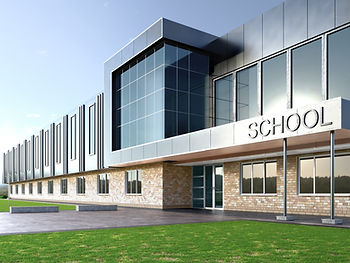
Choosing the right school for your child is one of the most important educational decisions you'll make. In Victoria, families have access to a wide range of options, including government schools, independent schools, Catholic schools, and Selective Entry High Schools.
While academic outcomes are often a key consideration, the best choice will depend on your child's needs, goals, interests, and learning style. Understanding the different pathways available can help families make informed decisions.
Understanding the Different School Types
Government (Public) Schools
Government schools are funded and operated by the Victorian Government and are generally free to attend, apart from voluntary contributions and additional costs for camps, excursions, and materials.
Most public schools enrol students based on their residential address. This means your child is usually guaranteed a place at their designated neighbourhood school if you live within the school's zone. You can search for your zoned public school here.
However, public education also includes specialist and selective programs that may be accessed through application or testing.
Private Schools
Private schools include Independent and Catholic schools. They charge tuition fees and operate independently of government enrolment policies.
Private schools often offer:
Smaller class sizes
Extensive co-curricular programs
Additional learning support and enrichment opportunities
Strong alumni and community networks
Scholarship opportunities for high-achieving students
Entry requirements vary significantly from school to school.
Before exploring specific academic pathways, it's helpful to understand the key differences between Victorian public and private schools:

While this comparison provides a useful overview, families should also consider the specialised academic pathways available within each sector, including scholarships, SEAL programs, and Selective Entry High Schools.
Academic Pathways Available
Scholarships at Private Schools
Many private schools offer scholarships to students demonstrating strong academic, sporting, music, leadership, or creative achievements.
Academic scholarships commonly involve:
Scholarship examinations
School reports
NAPLAN results
Interviews
Teacher references
Highly sought-after schools may attract hundreds of applicants for a limited number of places each year.
Scholarships can vary from partial fee reductions through to full fee coverage, depending on the school and award offered.
SEAL Programs in Public Schools
Some government secondary schools offer Select Entry Accelerated Learning (SEAL) programs.
SEAL programs are designed for academically advanced students and often provide:
Accelerated curriculum
Extension opportunities
Higher-level learning challenges
Opportunities to complete curriculum content earlier than usual
Each school determines its own entry criteria, which may include:
Academic testing
School reports
Teacher recommendations
Interviews
Being zoned to the school (this is not a requirement of all schools with SEAL Program, but you should confirm with any SEAL school you are interested in).
Program structures vary between schools, so families should investigate individual schools carefully.
Selective Entry High Schools
Victoria also offers Selective Entry High Schools (SEHS), which are government schools specifically designed for academically high-achieving students.
The four Victorian Selective Entry High Schools are:
Melbourne High School
Mac.Robertson Girls' High School
Nossal High School
Suzanne Cory High School
Unlike regular government schools, enrolment is not determined by residential zone.
Instead, students compete for places through the Selective Entry High School entrance examination process.
Admission is generally based on:
Entrance examination performance
Equity considerations where applicable
Places are highly competitive, with significantly more applicants than available positions each year.
For academically capable students seeking a specialised learning environment, SEHS schools represent a unique pathway within the public education system.
Comparing Entry Requirements
One of the biggest differences between public and private education is the enrolment process.
School Type | Typical Entry Requirements |
Public School | Residential address within the school zone. |
SEAL Program | Application, testing, school reports, interviews (varies by school) and sometimes neighbourhood zoning (check with the school) |
Selective Entry High Schools | Statewide entrance examination |
Catholic School | Application process determined by the individual school |
Independent School | School-specific criteria such as interviews, reports, testing and references |
Public Schools
For most government schools, your residential address is the primary enrolment requirement.
In-demand schools may have strict zoning requirements, making location an important consideration for families.
Selective Entry High Schools
SEHS schools are not restricted by school zones.
Students from across Victoria can apply, but entry is determined through academic selection rather than residential location.
Private Schools
Private schools set their own admission policies.
Depending on the school, families may encounter:
Waiting lists
Enrolment applications submitted years in advance
Parent and student interviews
Entrance examinations
Academic assessments
School reports
Teacher references
NAPLAN results
At some of Melbourne's most sought-after schools, families may register interest many years before enrolment begins. Other schools may have places available with a much shorter application process.
Cost considerations
Cost is an important consideration when choosing schooling options.
Government schools generally have the lowest direct costs.
Private school fees can vary significantly, from several thousand dollars per year at some Catholic schools to more than $40,000 annually at some independent schools.
When comparing costs, families should also consider:
Uniforms
Technology requirements
Camps and excursions
Music or sporting programs
Transport arrangements
Still Deciding Which School Is Right For Your Child?
Choosing between public and private education involves much more than comparing fees, academic results, or entrance requirements. Every family has different priorities, and the right fit will depend on your child's strengths, personality, learning needs, interests, and long-term goals.
To help parents navigate this important decision, we've compiled 101 questions to ask when evaluating schools, covering topics such as:
Academic outcomes and extension opportunities
Student wellbeing and pastoral care
Class sizes and learning support
Co-curricular and enrichment programs
Communication with families
School culture and values
University and career pathways
Download our free guide:
Whether you're considering a local government school, a Selective Entry High School, or an independent school, asking the right questions can help you make a more informed choice.
Final Thoughts
Victoria offers a diverse range of educational pathways. Public schools, private schools, SEAL programs, and Selective Entry High Schools each provide different opportunities for students.
Rather than asking which system is "better", a more useful question is: Which school is the best fit for my child?
Understanding enrolment requirements, academic pathways, school culture, and long-term educational goals can help families make a decision that supports their child's success and wellbeing throughout their school years.
Need advice on school entrance pathways, scholarships, Selective Entry High School preparation, or academic enrichment opportunities? The Hendersons team can help you understand the options available and identify the pathway that best aligns with your child's goals and strengths.

